How To Dress For Your Body Type
A practical step-by-step guide to how to dress for your body type, including preparation, instructions, common issues, tips, and next steps.
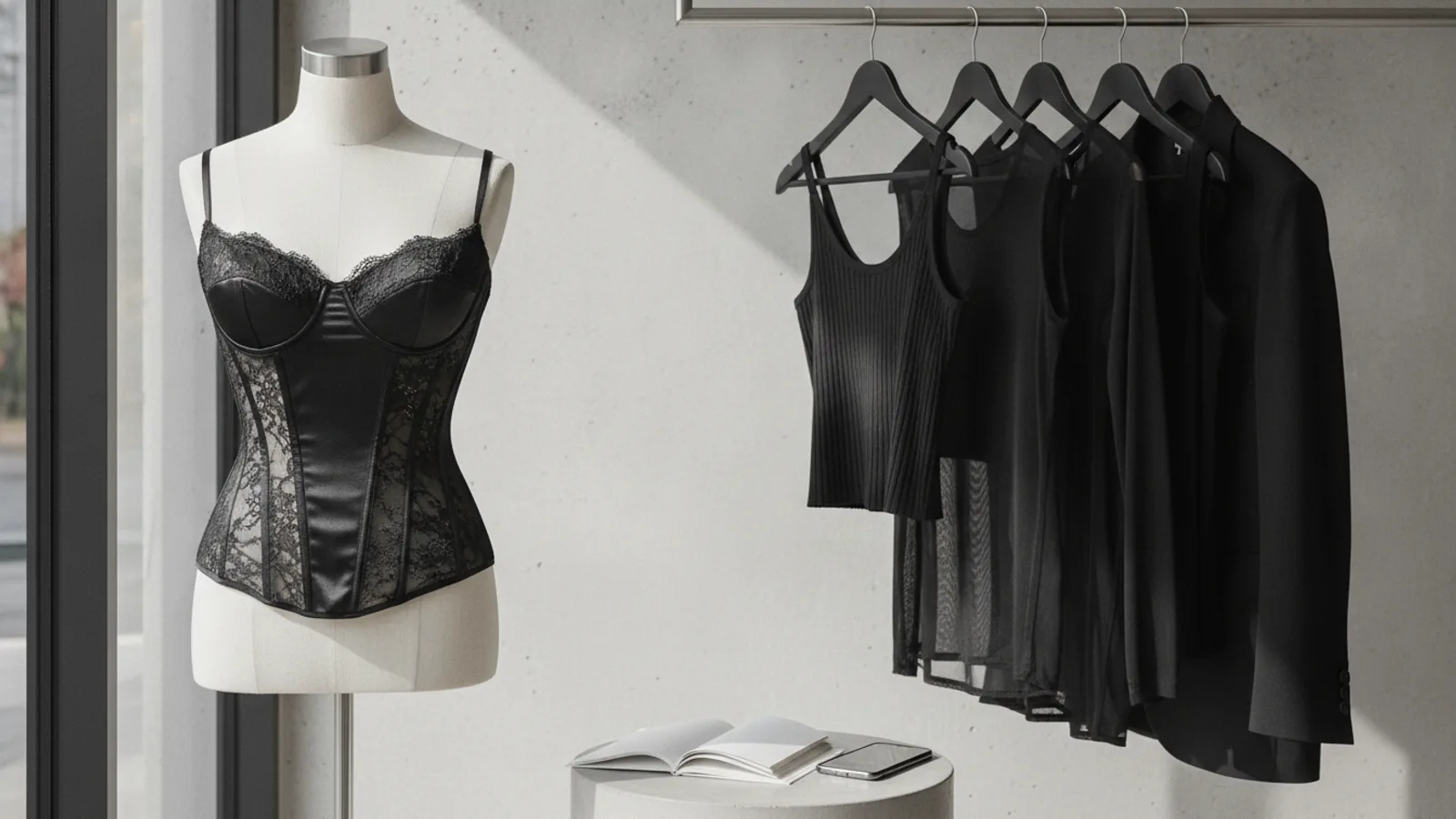
How To Dress For Your Body Type
Learning how to dress for your body type is less about following strict rules and more about understanding your unique proportions. This guide helps you identify your shape and choose clothing that creates balance, highlights your favourite features, and makes you feel confident. By understanding the principles of silhouette and proportion, you can shop smarter, build a wardrobe you love, and get dressed with ease every day.
Fast Answer
- Key Action: Identify your shape by measuring your shoulders, bust, waist, and hips.
- Main Goal: Use clothing lines, fabrics, and colours to create a balanced silhouette.
- Core Principle: Highlight the features you love and wear what makes you feel comfortable and confident.
Before You Start
- A flexible fabric measuring tape to get accurate body measurements.
- A full-length mirror to see your entire silhouette at once.
- A pen and paper or a notes app on your phone to jot down your measurements.
- Wear form-fitting clothes or just your undergarments for the most accurate measurements.
Step-by-Step Instructions
Understand the Goal: Creating Balance
Before you even pick up a measuring tape, it's vital to understand the core principle of dressing for your body type: creating a balanced silhouette. This isn't about hiding parts of your body or trying to look like someone else. It's about using clothing to create visual harmony and draw attention to the features you want to highlight.
Think of it like a visual equation. If you have broader shoulders, you might add a little volume to your lower half with an A-line skirt to create a more balanced, hourglass-like shape. If you have wider hips, you might choose a top with interesting details around the neckline to draw the eye upwards. The "perfect" outfit is one that makes your proportions look balanced and harmonious, leading to a polished and put-together appearance.
Take Your Key Measurements
To identify your body shape, you need four key measurements. Stand in front of a full-length mirror, keep the measuring tape parallel to the floor, and make sure it's snug but not digging into your skin. Write each number down.
- Shoulders: Have a friend help if possible. Measure from the tip of one shoulder all the way around to the other. If you're alone, you can measure from the edge of one shoulder to the edge of the other across your back.
- Bust: Measure around the fullest part of your chest. Keep the tape straight across your back.
- Waist: Measure around the narrowest part of your torso, which is usually an inch or two above your belly button. Don't suck in your stomach!
- Hips: Measure around the widest part of your hips and bottom. This is a crucial measurement for identifying pear and hourglass shapes.
Identify Your Body Shape
Now, compare your measurements to determine which of the five common body shapes you most closely resemble. It's okay if you feel you're between two types; just choose the one that seems like the best fit.
- Apple (or Round): Your bust and/or midsection are wider than your hips, and your waist is not well-defined. You likely have slimmer legs and arms. Your shoulder and hip measurements are often similar.
- Pear (or Triangle): Your hips are significantly wider than your bust and shoulders. You have a well-defined waist that is narrower than your hips. You may have a smaller bust and narrower shoulders.
- Hourglass: Your shoulder and hip measurements are very similar (within 5% of each other). You have a clearly defined, narrow waist. This shape is defined by proportions, not by a specific dress size.
- Rectangle (or Athletic): Your shoulders, bust, and hips are all roughly the same measurement. Your waist is not well-defined, giving your torso a straighter, more athletic line.
- Inverted Triangle: Your shoulders or bust are noticeably broader than your hips. This is a common shape for athletic individuals with well-developed upper bodies.
How to Dress an Apple Shape
The main goal for an apple shape is to elongate the torso and create the illusion of a more defined waist. You want to draw attention upwards towards your face and show off your great legs.
- Tops: Opt for tops that flow away from your midsection, such as swing tops, tunics, or empire-waist styles. V-necks and scoop necks are excellent for creating a vertical line and drawing the eye up.
- Jackets: Structured blazers or jackets that end at your hip or upper thigh can create a more streamlined silhouette. Avoid cropped jackets that end at your widest point.
- Trousers & Skirts: Show off your legs with straight-leg or bootcut trousers. A-line skirts that skim over your midsection are also a fantastic choice. Avoid overly tapered legs which can make your top half look larger in comparison.
- Dresses: A-line, shift, or empire-waist dresses are your best friends. A wrap dress with a V-neck can also be very flattering as it cinches just below the bust.
How to Dress a Pear Shape
For a pear or triangle shape, the key is to add volume and emphasis to your upper body while keeping the lower half clean and streamlined. This creates a balanced, hourglass-like effect.
- Tops: Draw attention upwards with bright colours, bold patterns, and interesting necklines like a boat neck or cowl neck. Tops with structured shoulders or slight puff sleeves can also help balance your proportions.
- Jackets: Cropped jackets or blazers that hit at or above your hip bone will highlight your defined waist.
- Trousers & Skirts: Choose darker colours for your bottom half. Bootcut or flare trousers are excellent as they balance the width of your hips. For skirts, A-line and full skirts that flow away from the body are extremely flattering.
- Dresses: Fit-and-flare dresses are practically made for you, as they highlight your narrow waist and skim over your hips.
How to Dress an Hourglass Shape
If you have an hourglass figure, your proportions are already balanced. The goal is to highlight your well-defined waist without adding extra bulk to your bust or hips.
- Tops: Form-fitting styles like wrap tops, fitted blouses, and scoop or V-necks are perfect. Your goal is to follow your natural curves. Avoid boxy or shapeless tops that will hide your waist.
- Jackets: Belted jackets and trenches are ideal. Any jacket that cinches in at the waist will accentuate your shape beautifully.
- Trousers & Skirts: High-waisted styles are fantastic for drawing attention to your narrowest point. Pencil skirts, bootcut trousers, and wide-leg trousers all work well to maintain your balanced proportions.
- Dresses: Wrap dresses, body-con styles, and belted sheath dresses will all highlight your figure perfectly.
How to Dress a Rectangle Shape
For a rectangle or athletic shape, the goal is often to create the illusion of curves and a more defined waist. You can do this by adding volume to both your bust and hip area.
- Tops: Look for tops that add volume, such as those with ruffles, peplums, or embellishments around the bust. Scoop necks and sweetheart necklines can create the appearance of a curvier bust line.
- Jackets: Belted jackets are a great way to create a waist. Blazers with structured shoulders can also add shape to your upper body.
- Trousers & Skirts: You can wear almost any style of trouser, but styles with details like pockets or pleats can add volume to your hips. A-line skirts and full, circular skirts are excellent for creating a curvier lower body.
- Dresses: Dresses with a defined waist, like a belted shirt dress or a fit-and-flare style, are perfect. You can also use colour blocking to create the illusion of a smaller waist.
How to Dress an Inverted Triangle Shape
With an inverted triangle shape, the aim is to soften your broader shoulders and add volume to your narrower lower body, creating a more balanced hourglass silhouette.
- Tops: Keep your top half clean and simple. Opt for soft, draping fabrics and V-necks or asymmetric necklines, which draw the eye downwards. Avoid shoulder pads, boat necks, and fussy details around the neck and shoulders.
- Jackets: Choose simple, unstructured jackets that don't add extra bulk to your shoulder line.
- Trousers & Skirts: This is where you can have fun! Go for bold colours, prints, and textures on your lower half. Wide-leg trousers, culottes, A-line skirts, and full skirts are all brilliant for adding volume and balancing your frame.
- Dresses: Look for dresses that are simple on top and have a full or flared skirt. A halter-neck style can also be surprisingly flattering as it visually narrows the shoulder line.
Experiment with Fabrics, Colours, and Prints
Beyond the cut of your clothes, the materials and patterns play a huge role in how an outfit looks and feels. Use them strategically to help achieve balance.
- Fabrics: Stiff, structured fabrics like thick cotton, denim, or corduroy add volume and can be used to create shape (e.g., a structured blazer for a Pear shape). Soft, drapey fabrics like jersey, silk, or chiffon will skim the body and follow your curves, which is great for Hourglass shapes or for tops on an Inverted Triangle shape.
- Colours: Remember the basic rule: dark colours recede, and light/bright colours advance. If you are a Pear shape and want to balance your hips, wear dark trousers with a bright white top. This will make your top half appear slightly larger and your bottom half slightly smaller, creating visual balance.
- Prints: The scale of a print matters. Large, bold prints add visual volume, making them perfect for areas you want to enhance. For example, a Rectangle shape could wear a skirt with a large floral print to add volume to the hips. Smaller, denser prints tend to be more slimming.
Quick Reference
| Situation | Use this | Why |
|---|---|---|
| If you want to define your waist | Belts, wrap dresses, high-waisted trousers | They cinch and draw attention to the narrowest part of your torso. |
| If you want to balance broad shoulders | A-line skirts, wide-leg trousers, bright bottoms | It adds volume to your lower body, creating a more balanced silhouette. |
| If you want to balance wider hips | Bright tops, boat necks, structured shoulders | It draws the eye upward and broadens your top half. |
| If you want to create curves | Peplum tops, fit-and-flare dresses, detailed trousers | They add volume to the bust and hips, creating an hourglass illusion. |
| If you want to elongate your frame | V-necks, monochrome outfits, vertical stripes | They create an unbroken vertical line that makes you appear taller. |
Common Problems When You Dress for Your Body Type
Even with the best advice, you might run into a few common issues. Here’s how to troubleshoot them.
- Problem: "I don't fit perfectly into one category."
Solution: This is completely normal! Very few people are a "textbook" example of one shape. You might be a Pear shape with a larger bust, or a Rectangle with slightly wider hips. In this case, cherry-pick the advice that works for you. If you have broad shoulders (Inverted Triangle) and a defined waist (Hourglass), focus on softening your shoulders while still highlighting your waist with belts and fitted styles. - Problem: "These 'rules' feel too restrictive and boring."
Solution: Think of them as guidelines, not gospel. The most important rule is to wear what makes you feel happy and confident. If you're a Pear shape but you love patterned trousers, wear them! You can still apply the principles of balance by pairing them with a simple, well-fitting top. Use this knowledge to understand *why* certain things work, then adapt it to your personal style. - Problem: "I followed the advice, but something still feels off."
Solution: Pay attention to fit and proportion. A garment might be the right "style" for your shape, but if it's too tight, too loose, or the wrong length, it won't work. A visit to a tailor can make a world of difference. Hemming trousers to the perfect length or taking in the waist of a dress can transform an okay outfit into a great one.
Advanced Tips for Dressing for Your Body Type
Once you've mastered the basics, you can use these more advanced techniques to fine-tune your look.
- Master the Rule of Thirds: In art and design, the rule of thirds creates pleasing compositions. In fashion, it means avoiding outfits that cut your body in half. Instead of a top and trousers that are equal in length, aim for a 1/3 to 2/3 ratio. For example, a slightly cropped top (1/3) with high-waisted trousers (2/3), or a long tunic (2/3) over leggings (1/3). This creates a more dynamic and visually interesting line.
- Play with Vertical vs. Horizontal Lines: Lines have a powerful effect on perception. Vertical lines (V-necks, open jackets, pinstripes, creases in trousers) make you look taller and slimmer. Horizontal lines (boat necks, belts, horizontal stripes) make you look wider. Use them strategically. An Inverted Triangle should avoid wide horizontal stripes on top, while a Rectangle can use a belt (a horizontal line) to create a waist.
- Understand Rise and Inseam: The rise of your trousers (the distance from the crotch to the waistband) can dramatically change your proportions. A high rise can define a waist and elongate legs. A low rise can make your torso look longer. The inseam (length of the leg) is also critical. Having trousers hemmed to the correct length for the shoes you'll wear with them is a simple change that makes you look instantly more polished.
How To Dress For Your Body Type FAQ
Can my body type change over time?
Does this advice apply to men's fashion as well?
What if I don't like the clothing styles recommended for my body type?
Is one body type better than another?
Final Checklist for How To Dress For Your Body Type
- Took accurate measurements of your shoulders, bust, waist, and hips.
- Compared your measurements to identify your closest body shape.
- Understood the main goal is to create a balanced, harmonious silhouette.
- Learned which cuts and styles are likely to flatter your shape and highlight your favourite features.
- Experimented with fabrics, colours, and prints to enhance your look.
- Remembered that these are flexible guidelines, not strict rules.
- Prioritised building a wardrobe that makes you feel confident and comfortable in your own skin.